

Detailed view
Accident databases
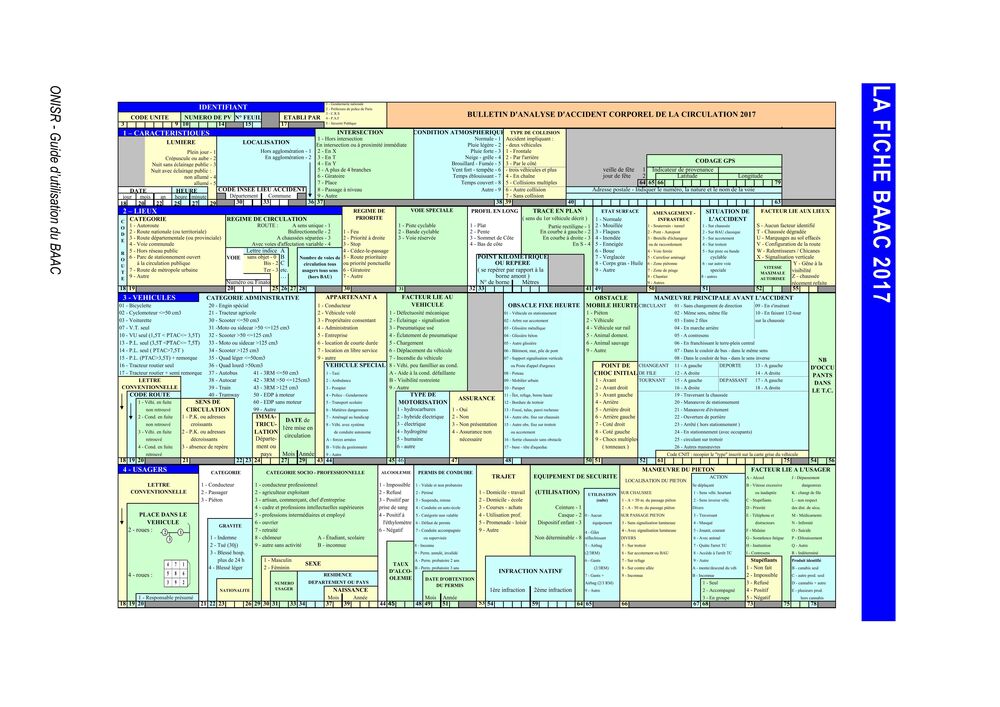
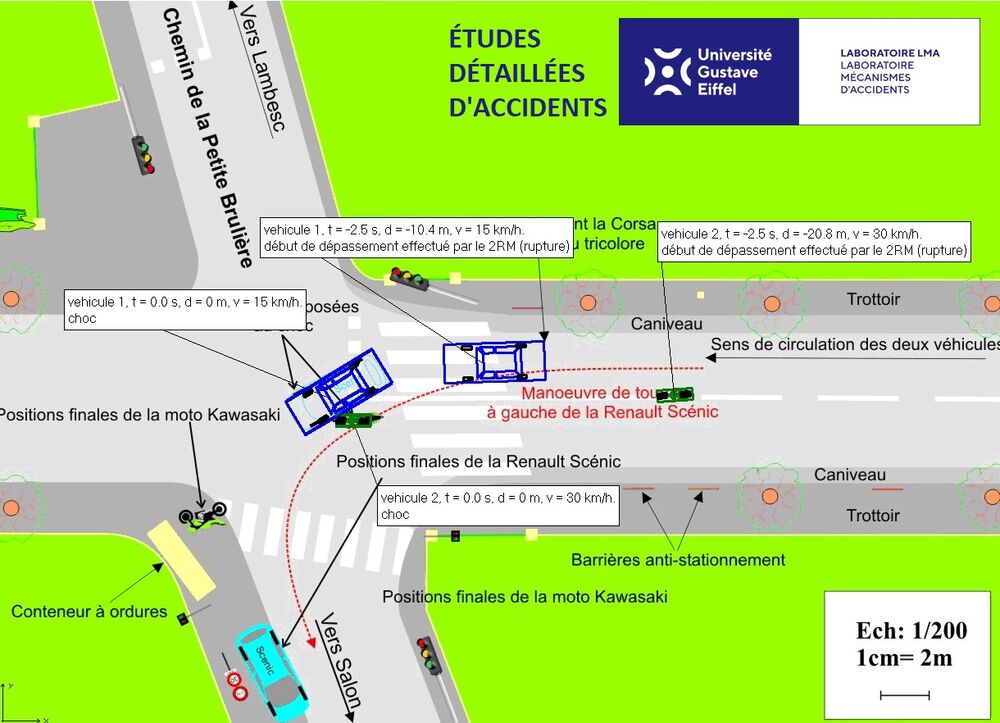
The LMA has access to a number of complementary databases, both quantitative and qualitative. The quantitative databases include the BAAC (Bulletin d'analyse d'accident corporel) files, while the qualitative databases include the "EDA - Etudes Détaillées d'Accidents" (In-Depth Accident Studies) carried out at the LMA by its teams, Police and Gendarmerie accident reports, and the IGLAD world database (purchase of data for the years 2018 throught 2022, totaling approximately 5000 accidents; membership in 2021). These databases provide the LMA with a comprehensive set of accident data.
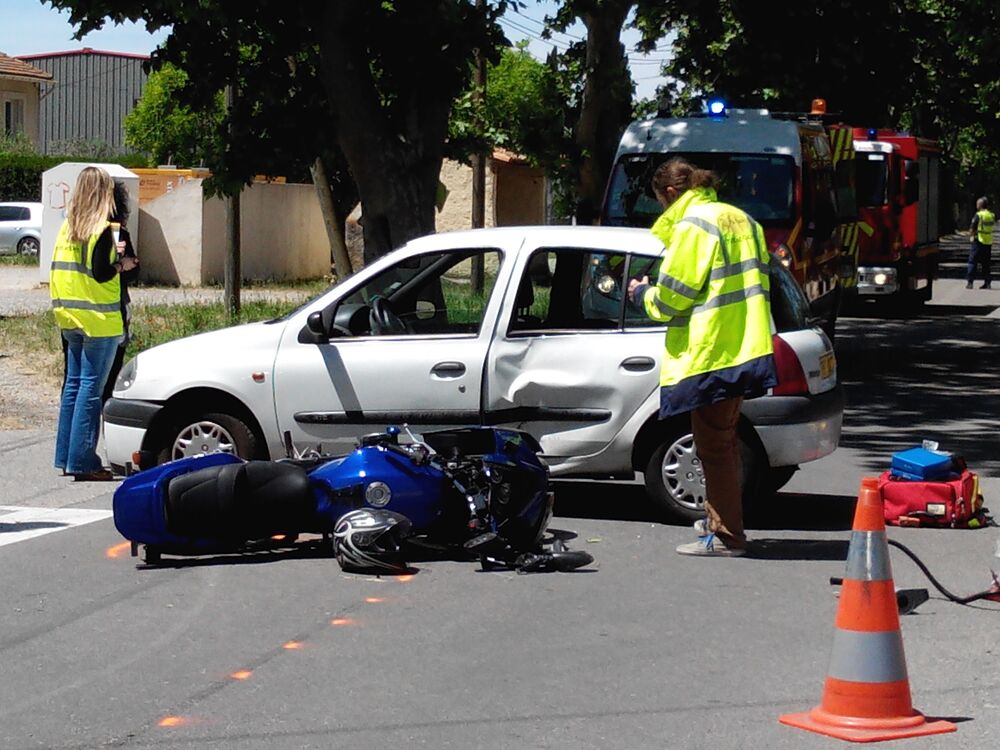
With regard to EDA in particular, the collection of accident data began in the 1970s, and has evolved over time in line with research issues. These EDAs enable the study of road system malfunction processes and the determination of accident causes and consequences, based on accident scene data collection.
Practical information
Thématique
- Health and Safety
- Accidentology
Secteur(s) applications
- Automotive industries
Laboratory
- LMA - Laboratoire Mécanismes d'Accidents
Domaine(s) expertise
- Vehicle dynamics
- Human factors
- Infrastructure and planning
- Road safety
Some photos


In detail
The accident databases have been used in numerous national and international projects: PIONEERS, RED/URFé, SURCA, VIDAS, BIALCOL, I-Safe, Podcasts, and several PhD theses in the field of accidentology. These researches concern in particular the role of design in road malfunctions, the evaluation of driving assistance systems benefits, the analysis of driving behaviors and the identification of functional failures.
Use of these databases to fuel the pedagogical content of various training courses:
- Master Transport and Mobility (Transport et Mobilité - EUP)
- University Diploma "Road Safety for Africa" (DU Sécurité Routière pour l'Afrique)
- Inter-University Diploma "Accident and trauma expertise" (DIU L'expertise en accidentologie et traumatologie)...
These databases provide LMA with expertise that is unique in France. It is used to support public policy, provide services to companies, and carry out forensic expert assessments.